

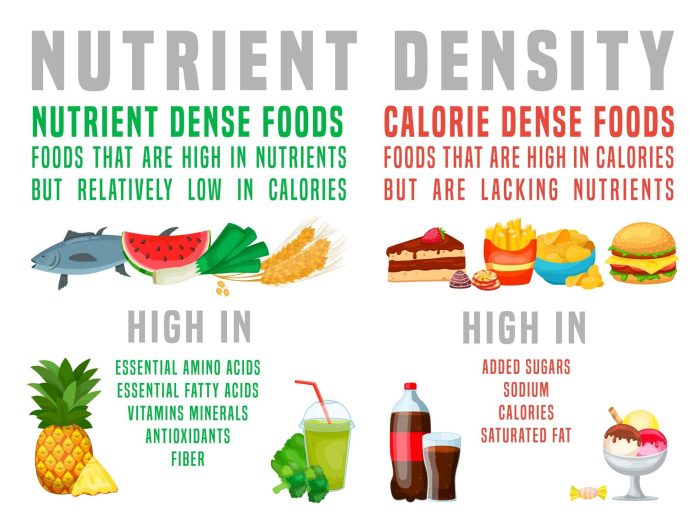
Imagine walking through a vibrant farmers’ market, surrounded by a rainbow of fresh produce and the tantalizing aroma of ripe fruits. Each item holds the promise of health and vitality, yet choosing the most nutritious options can often feel like solving a complex puzzle. Enter the concept of nutrient density—a powerful tool that transforms your shopping cart into a vessel of wellness. By understanding and calculating nutrient density, you unlock the secret to making smarter, healthier food choices without sacrificing flavor or satisfaction. This article will guide you through the process, illuminating the path to a diet that not only nourishes your body but also delights your senses. Get ready to embark on a journey where knowledge meets nourishment, and every meal becomes a celebration of health and happiness.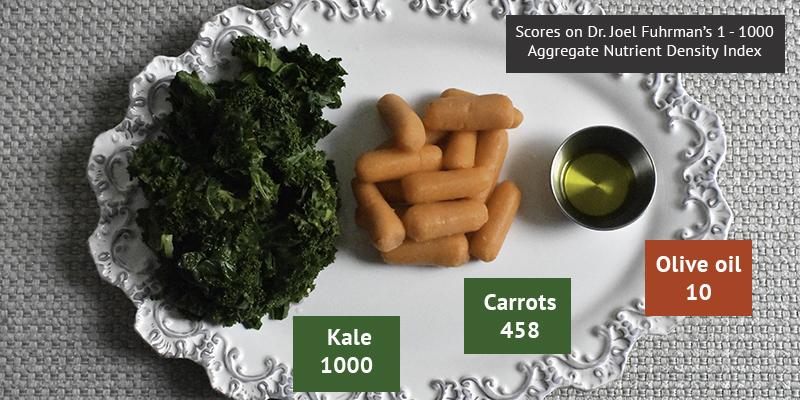
Unlocking the Secrets of Nutrient Density
Embarking on a journey to healthier eating begins with understanding the concept of nutrient density. At its core, nutrient density is about maximizing the vitamins and minerals you get from your food, without piling on unnecessary calories. This approach doesn’t just promise better health—it transforms your entire dining experience into a celebration of vibrant, flavorful choices. Imagine each meal as an opportunity to nourish your body with the very best nature has to offer.
To calculate the nutrient density of a food item, focus on these key steps:
- Identify Nutrients: Look for foods rich in vitamins, minerals, and other beneficial compounds.
- Analyze Caloric Content: Compare the nutrient profile against the calorie count. Foods that provide more nutrients per calorie are considered more nutrient-dense.
- Use Ratios: Utilize nutrient-to-calorie ratios to evaluate and compare different food items. This can help spotlight foods that pack a nutritional punch.
Incorporating this understanding into your daily life can turn each bite into a powerful step toward vitality. Choose foods that fuel your body and spirit, making every meal a step toward a healthier, more vibrant you.
Empower Your Plate with Nutrient-Rich Choices
Making informed food choices is an empowering journey towards a healthier lifestyle. To embark on this path, understanding nutrient density is key. Nutrient density is a measure of how many nutrients you get from a food, given the number of calories it contains. This concept allows you to compare foods based on their nutritional value relative to their caloric content, helping you to prioritize foods that are rich in essential vitamins and minerals without excess calories.
- Colorful Vegetables: Think of vibrant greens, reds, and oranges that pack a punch with vitamins and antioxidants.
- Whole Grains: Opt for options like quinoa and brown rice, which provide more fiber and nutrients than their refined counterparts.
- Lean Proteins: Incorporate sources like beans, lentils, and lean meats that deliver protein without excessive fat.
- Healthy Fats: Choose avocados, nuts, and olive oil to add heart-healthy fats to your meals.
As you fill your plate, remember that nutrient-dense foods not only support your health but also make every meal a delightful experience. Explore, experiment, and embrace the array of nourishing options available to you.
Decoding Nutrient Labels for Smarter Eating
Unraveling the mysteries behind those tiny numbers on food packages can transform your culinary journey. By focusing on nutrient density, you prioritize foods that offer a high amount of essential nutrients relative to their calorie content. This simple approach empowers you to make smarter eating choices, aligning with both health goals and taste preferences. Imagine a vibrant plate where every bite is packed with vitamins, minerals, and wholesome energy, rather than empty calories. The path to a nutrient-rich diet is not about sacrifice but about choosing foods that celebrate nourishment.
- Identify Key Nutrients: Look for foods high in vitamins, minerals, and fiber while being low in added sugars, sodium, and unhealthy fats.
- Check Serving Sizes: Ensure you’re comparing similar serving sizes to get an accurate assessment of nutrient density.
- Focus on Whole Foods: Prioritize natural, unprocessed options that naturally contain a diverse array of nutrients.
- Balance Your Plate: Mix and match foods to create meals that are not only nutrient-dense but also colorful and delicious.
By embracing these strategies, you’re not just reading labels; you’re making informed decisions that honor both your health and your taste buds. Let your grocery list be a testament to a lifestyle where smart choices lead to a happier, healthier you.
Crafting a Balanced Diet with Nutrient Density in Mind
When it comes to making healthier food choices, understanding the concept of nutrient density can be a game changer. Nutrient density refers to the amount of essential nutrients a food contains in relation to the number of calories it provides. Foods high in nutrient density provide a wealth of vitamins, minerals, and other beneficial compounds without excessive calories, helping you maintain a balanced diet and a healthier lifestyle.
To make informed choices, consider incorporating more of these nutrient-dense foods into your meals:
- Leafy Greens: Spinach, kale, and Swiss chard are packed with vitamins A, C, and K, as well as minerals like iron and calcium.
- Berries: Blueberries, strawberries, and raspberries are low in calories but high in antioxidants and fiber.
- Lean Proteins: Opt for sources like chicken breast, turkey, and legumes, which provide essential amino acids with minimal fat.
- Nuts and Seeds: Almonds, chia seeds, and flaxseeds offer healthy fats, protein, and fiber, making them perfect for snacks or toppings.
- Whole Grains: Brown rice, quinoa, and oats provide a steady source of energy along with vital nutrients like magnesium and B vitamins.
By focusing on these options, you can enhance your diet’s nutritional value, ensuring you get the most out of every meal without compromising on taste or satisfaction.